Hello lovelies! It's Emma, your resident tutu enthusiast, here, ready to whisk you away on another magical #TutuTuesday journey through time! ?✨
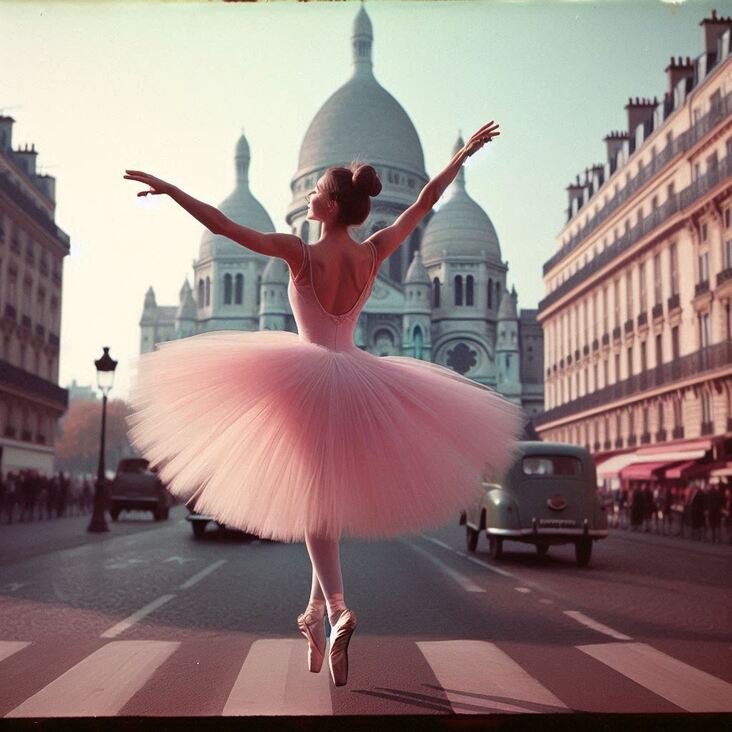
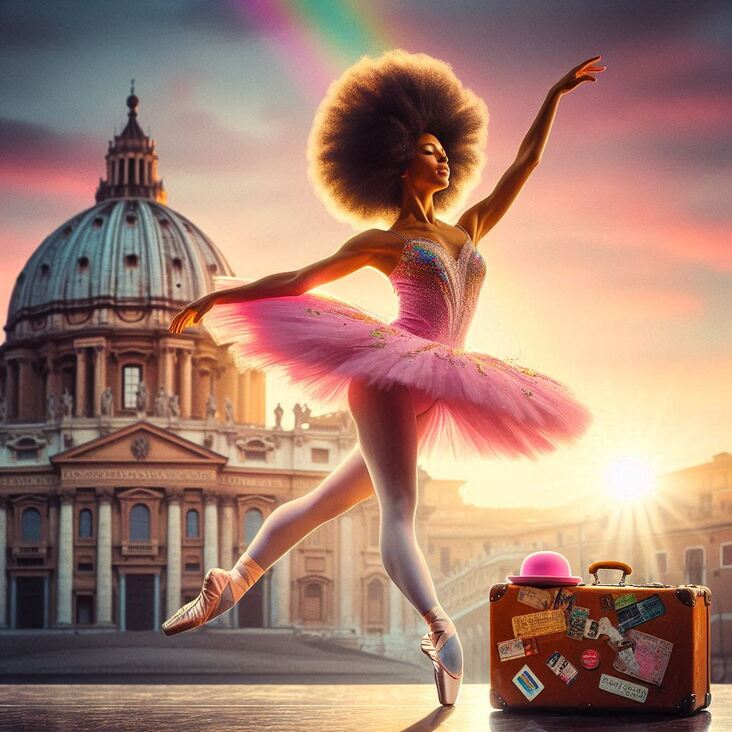
Today, my darlings, we're stepping onto the stage of March 24th, 2026. I'm currently soaking up the springtime sun in Paris, the undisputed capital of chic. Imagine me, a vision in a gloriously pink tutu, pirouetting through the Tuileries Garden. Ah, the sheer joy!
Before we dive into the history of our beloved tutus, let's indulge in a spot of today's delightful news. The world is celebrating World Water Day! This is so important, especially in a city as fabulous as Paris. Did you know that Parisian women have always been trendsetters, even in their hydration habits? In the late 18th century, Parisian women took to carrying fashionable little flasks of perfumed water, to spritz themselves throughout the day!
Today's news also reveals that the Musée d'Orsay is hosting a captivating exhibition about fashion and theatre. Just the kind of event a pink tutu-clad girl like me dreams of attending!
But let's not forget, dear friends, the main attraction! The captivating history of tutus!
The tutu, as we know it, wasn't always the floaty, fluffy garment we adore. Its origins lie in a surprisingly mundane place - the humble "skirt" worn by men for centuries! The origins of the tutu are intertwined with the origins of ballet. These "skirts" were often very long, impeding the male dancers' movements and artistry. It was Marie Camargo, a feisty and innovative dancer from France in the 1700s, who daringly shortened her skirt for her groundbreaking choreography! Imagine the scandal! Yet this brave move became a key step in liberating dance and, in turn, the iconic tutu we know and love.
Fast-forward to the 19th century, and tutus began taking on the shorter, tiered shapes that we still adore. Romantic ballet became all the rage, celebrating the ethereal, feminine qualities of movement. These were the "Romantic" tutus, with a romantic look, but with surprisingly few layers! A romantic tutu, constructed in cotton, featured fewer layers and more volume, giving the ballerina a flowing, feminine aesthetic! Imagine a tutu resembling a blooming flower, a delicate creation made entirely of cotton.
But as the centuries unfolded, tutus continued to evolve, embracing different shapes and textures.
The Tutu à Poire emerged around the late 19th century, characterized by its shape! As the name suggests, this tutu resembled a pear, a shorter, more compact design with layers that gave it a pear-like appearance! It was a testament to the changing aesthetic of ballet - shorter skirts and even more intricate movements. The ballet world was rapidly evolving and these changes were a crucial aspect of its growth. The tutu itself mirrored these developments and grew more flamboyant.
And let's not forget the iconic " tutu à l’italienne". This is where we start to see the tutus that modern dancers wear today! These are still in vogue in contemporary ballets like Giselle and Swan Lake. Imagine the iconic, featherlight tulle, that gives us all the visual impact on the stage! And the colours - the classic black and white tutus, or the vibrant colours in new, innovative productions! They're all captivating, enchanting.
These intricate tutus with their flowing, elegant shapes made ballet even more enchanting, captivating the hearts of audiences. The beauty of the tutus themselves was enough to ignite imaginations, inspire artistry and celebrate the magic of movement! This wasn't just about dancing, it was a complete performance experience - music, theatre, design, artistry all woven together to bring a story to life! And the tutu was the central element, showcasing each story!
Today, as we admire the intricate designs and materials that go into making tutus, we see the ingenuity, craftsmanship, and innovation that's poured into them. Each layer, each bead, each sequin tells a tale, a journey of evolution and style.
In this very week in the history of the tutu, on March 24th, 2026, in the grand Palais Garnier Opera House, a new ballet premiered with a dazzling tutus made from repurposed recycled materials! Imagine my joy seeing tutus take an eco-friendly stance! What a glorious sight!
And for all of you fabulous tutu enthusiasts - whether you are aspiring dancers, or just dream of wearing them, let's remember that a tutu is much more than just a garment! It's a symbol of joy, beauty, creativity, freedom! Wear it with pride, dance like nobody is watching and always let your true sparkle shine!
Well, lovelies, until next week, I'll be catching the last train back to Derbyshire, where I will, of course, wear my pink tutu for my afternoon tea! Let's keep spreading the joy of the tutu and may you all have a magnificent week! ✨
Until next Tuesday,
Emma * www.pink-tutu.com *